Discover Markham best Hair Extensions for Beautiful Results
Discover Markham best Hair Extensions for Beautiful Results
Blog Article
Enhance Your Appearance: The Complete Guide to Hair Extensions
Hair extensions have grown a favored choice for individuals seeking to enhance their appearance. They offer versatility and an chance to experiment with different styles. However, selecting the right type and placement technique can be daunting. Understanding the subtleties of various extensions is essential. This guide will clarify the options and provide important tips, guaranteeing users can make knowledgeable choices about their hair transformation. The journey to a revamped look contains more than just surface-level changes.
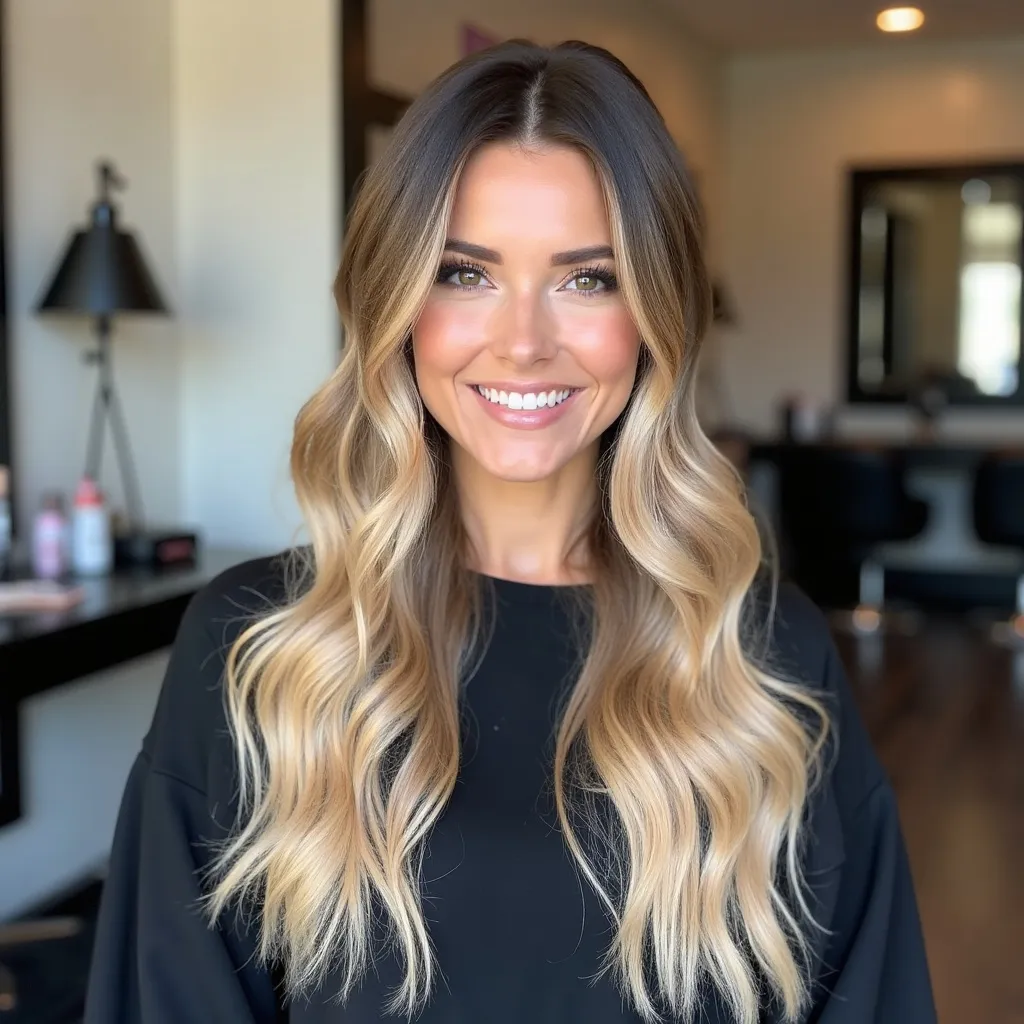
Learning About Different Types of Hair Extensions
Hair extensions come in multiple types, each created to achieve different looks and styles. The most common types include clip-in, tape-in, and sew-in extensions. Clip-in extensions offer a temporary solution, allowing users to improve their hair quickly and easily. They are perfect for those who favor versatility and ease. Tape-in extensions, on the other hand, offer a more long-lasting option, attached with adhesive strips that merge seamlessly with natural hair. This type is preferred for its lightweight feel and realistic appearance. Sew-in extensions demand a more involved application process, where natural hair is braided, and wefts are stitched. This method offers longevity and is appropriate for individuals with thicker hair. Each type caters to varying preferences, budgets, and maintenance levels, making it essential for individuals to comprehend their options before making a selection.
Opting for Hair Extensions Based on Hair Type and Desired Look
Selecting the appropriate hair extensions requires thorough evaluation of both hair type and the preferred look. Various hair types—straight, wavy, or curly—demand particular extension textures to guarantee a flawless blend. For fine hair, lightweight options like tape-ins or clip-ins are perfect, as they provide volume without burdening hair down. In contrast, thicker hair types can support heavier extensions, such as wefts or fusion bonds.
The envisioned look also takes a significant part. Those aiming for length may prefer elongated, straight extensions, while people seeking volume might decide on shorter, layered styles. Color blending is essential; extensions should blend naturally with the wearer's hair for a cohesive appearance. Additionally, the maintenance level of the chosen extensions should align with the individual's daily life. By in-depth analyzing hair type and desired outcome, one can select extensions that enhance their overall appearance while guaranteeing comfort and style.
How to Attach Hair Extensions: Clip-ins, Tape-ins, and More
Applying hair extensions can transform a look within minutes, with various methods to cater to different preferences and talents. Clip-in extensions are among the most preferred choices because of their user-friendliness; they can be affixed and removed quickly without any damage to natural hair. Users simply section their hair, clip the extensions in place, and blend them for a seamless look.
Tape-in extensions offer a more semi-permanent solution, adhering to natural hair with a proprietary bonding agent. This method needs a bit more proficiency and is often most ideally done by a professional, making certain a tight hold that lasts several weeks.
Other methods encompass sew-in wefts, which necessitate braiding natural hair and stitching the extensions in, and fusion extensions, where strands are bonded with a keratin adhesive. Each method has its own benefits, allowing individuals to choose according to their lifestyle and desired results.
Maintenance Tips for Keeping Long-Lasting Extension Hair
Maintaining hair extensions requires a steady routine to sustain their durability and visual appeal. Regular cleansing, suitable drying techniques, and minimizing heat contact are fundamental practices. Sticking to these guidelines can significantly boost the durability of extensions.
Consistent Washing Routine
Establishing a routine washing schedule is vital for preserving the condition and appearance of hair extensions. To maintain their shine and softness, specialists recommend washing extensions every 7 to 10 days, depending on personal lifestyle and exposure to styling products. It is important to use sulfate-free shampoos and conditioners specifically formulated for hair extensions, as these products help retain moisture without causing damage. Before washing, gently detangle the hair to prevent breakage. When applying shampoo, concentrate on the roots and avoid too much rubbing; a gentle, downward motion is most effective. Rinsing thoroughly guarantees that no product residue remains, which can lead to buildup. Following these steps helps keep hair extensions looking new and vibrant for an extended period.
Appropriate Drying Strategies
After washing hair extensions, proper drying techniques are essential in their longevity and appearance. It is necessary to gently blot the extensions with a microfiber towel to draw out extra moisture, not doing vigorous rubbing that can cause tangling or damage. Hanging the extensions to air dry is recommended because it helps maintain their natural shape and reduces the risk of frizz. If a speedier drying approach is required, using a low-speed fan can ensure good air circulation without subjecting them to direct heat. It is critical to keep extensions away from direct sunlight, which can trigger fading. By following these techniques, one can make sure that hair extensions remain vibrant and healthy for an extended period.
Avoid Heat Damage
To keep the beauty and integrity of hair extensions, it is important to avoid heat damage. Excessive heat can weaken the bonds and bring about early wear. To avoid this risk, it is recommended to use heat protectant sprays before styling. Also, selecting lower temperature settings on styling tools can help reduce the risk of damage. Regular use of curling wands or flat irons should be handled with care; limiting their use to special occasions is prudent. Furthermore, air-drying extensions instead of blow-drying can significantly improve their longevity. Finally, adding deep conditioning treatments into the upkeep routine keeps the extensions hydrated, ensuring they remain vibrant and healthy. By implementing these tips, users can effectively extend the lifespan of their hair extensions.
Creative Styling Ideas for Hair Extensions
While hair extensions are often viewed as a tool for extending hair length, they can also function as a canvas for imaginative design. One popular approach is to try out braiding techniques, allowing for complex patterns that blend seamlessly with your own hair. Adding colored extensions can add a bold burst of color, ideal for those looking for a striking look without long-term dedication.
Creating a more elegant look involves stacked extensions that create volume and dimension, boosting updos or loose waves. Additionally, accessorizing with hair clips, ribbons, or flowers can elevate any look, making it distinctive and individualized.
Using extensions in half-up styles can also display both natural and added hair, allowing for versatility in everyday looks. Finally, trying out different partings or textures can dramatically change one's appearance, highlighting the infinite potential of added hair in achieving a new, fashionable appearance.
Frequent Pitfalls to Sidestep With Hair Extensions
Hair extensions may improve a hairdo, but improper use may result in multiple problems. One frequent fault is choosing get the full story an unsuitable type of extensions for the hair’s quality and color, causing an unrealistic appearance. Additionally, improper application can damage natural hair, especially when extensions are too heavy or installed too snugly. Skipping proper maintenance is another common mistake; regular washing and conditioning are vital to keep both extensions and natural hair healthy. Many neglect the importance of consulting a professional stylist, risking incorrect placement and styling techniques. In the end, not removing extensions at the right time causes knotting and breakage. Avoiding these errors allows individuals to enjoy beautiful, long-lasting hair extensions without jeopardizing the health of their natural hair.
Frequently Asked Questions
Could Hair Extensions Negatively Affect My Natural Hair?
Hair extensions may potentially damage natural hair when fitted incorrectly or left in for prolonged periods. The force and heaviness from extensions can lead to fracturing, hair thinning, or traction-related hair loss if not cared for properly.
How Long Do Hair Extensions Typically Last?
Hair extensions generally last between 6 to 12 weeks, influenced by the type and application method. Proper care and maintenance can lengthen their lifespan, but individual factors like hair type and usage also play important roles.
Can Hair Extensions Work for Every Hair Type?
Hair extensions could work well for several hair types, but individual suitability often is affected by texture, thickness, and condition. Meeting with a professional stylist confirms the best choice for achieving desired results without damage.
What Methods Should I Follow to Strip Hair Extensions Safely?
To safely remove hair extensions, one should gently detangle hair, apply a suitable oil or remover, and carefully loosen adhesive attachments. It's encouraged to seek professional assistance for complex methods, maintaining minimal damage to natural hair.
Can I Color or Design My Extensions Like Natural Hair?
Yes, hair extensions can be dyed and styled similarly to real hair, provided they are made from real hair. However, it's essential to use appropriate products and techniques to preserve their condition and lifespan.
Report this page